

What Should You Ask Before Hiring a Plumber?
Homeownership brings immense satisfaction, yet maintaining a property requires constant vigilance and proactive maintenance. Among the various mechanical systems that keep a household running smoothly, the infrastructure responsible for fresh water delivery and wastewater removal remains critical. When pipes leak, drains clog, or water systems fail, finding qualified professional assistance quickly becomes a top priority. However, selecting the right service provider to enter your residence and handle essential infrastructure requires careful consideration. Making a hasty decision during an unexpected household crisis can easily lead to incomplete repairs, unexpected financial burdens, or severe structural property damage.
According to the U.S. Bureau of Labor Statistics, employment of plumbers, pipefitters, and steamfitters is projected to grow 4% from 2024–2034, with about 44,000 job openings each year. With so many trade professionals active across the industry, homeowners must learn how to navigate their available service options effectively. Knowing which questions to pose prior to authorizing major repairs ensures that property owners secure competent, reliable, and trustworthy service. Asking targeted questions allows individuals to evaluate professional qualifications, transparent pricing structures, and overall operational standards. By taking a methodical approach to the selection process, homeowners can protect their financial investment and establish a dependable partnership with a skilled master plumber.
Verify Licensing and Insurance Credentials
Before granting access to your residential property, verifying that the service provider holds appropriate state and municipal credentials represents an essential starting point for any project. Licensing serves as official confirmation that a technician possesses requisite technical knowledge, has completed mandatory training, and thoroughly understands local building codes. Asking for a license number allows homeowners to cross-reference credentials directly with state licensing boards to confirm active standing and check for past disciplinary records. A qualified professional adheres to rigorous safety standards, significantly reducing the likelihood of improper installations or code violations that could complicate future property sales.
Equally critical is confirming comprehensive general liability and workers' compensation insurance coverage before work commences. General liability insurance protects your residence against accidental property damage occurring during complex repairs or new equipment installations. Meanwhile, workers' compensation coverage shields homeowners from personal financial liability if a technician sustains an injury while working on the premises. Requesting proof of insurance via a formal certificate gives property owners complete peace of mind. Without verified insurance coverage, homeowners risk assuming massive financial liabilities for accidents, structural mishaps, or unexpected injuries that occur on site. Reputable contractors carry substantial policy limits and willingly present proof of insurance upon request.
Request Detailed Estimations Before Commencing Work
Financial clarity eliminates uncomfortable surprises when final invoice time arrives. Prior to allowing physical repair work to begin, property owners should ask for a comprehensive written estimate detailing all projected project expenses. A professional estimate ought to break down expenses into distinct, transparent categories, including labor charges, required replacement materials, equipment usage, and applicable municipal permit fees. Obtaining an itemized quote provides vital insight into how total project costs are structured and enables direct, objective comparisons across different service companies.
Furthermore, homeowners should inquire whether the provided quote reflects a predictable flat-rate pricing model or an ongoing hourly billing rate. Flat-rate pricing offers consistent total costs regardless of unforeseen technical complications, whereas hourly billing can fluctuate substantially depending on job duration and unexpected obstacles. It is also wise to ask about potential additional charges, such as service call fees, diagnostic assessment costs, travel fees, or emergency surcharges. Clarifying how scope changes are handled ensures that additional costs require explicit written authorization prior to execution, maintaining total transparency throughout the service engagement with your selected plumber.
Inquire About Warranties and Guarantees
Quality workmanship stands the test of time, and confident technical contractors back their services with explicit, written guarantees. Inquiring about comprehensive warranty policies prior to finalizing a contract helps distinguish dedicated, client-focused craftsmen from inexperienced operators. A comprehensive warranty typically covers two separate aspects of the completed service: manufacturer warranties on installed fixtures, pipes, or machinery, and labor guarantees covering installation quality. Understanding the length and scope of both categories ensures property owners know exactly what legal recourse exists if components fail prematurely.
It is important to ask specific questions regarding warranty terms, including exact duration, specific coverage limitations, and the precise protocol for claiming remedies if issues arise post-service. Some labor guarantees cover repairs for several months, while others extend coverage across multiple years. Additionally, property owners should verify whether fixture warranties remain valid if components are supplied by the client versus sourced directly by the service contractor. Working with a conscientious plumber ensures that guarantees safeguard your financial investment and demonstrate that the service provider accepts long-term accountability for their work.
Evaluate Experience With Similar Plumbing Issues
Residential mechanical infrastructure encompasses a wide spectrum of complex challenges, ranging from simple fixture replacements to intricate main sewer line overhauls and complete drain system redesigns. Consequently, asking about specific background experience with your particular architectural issue is paramount. A technician with extensive historical experience resolving complex sewer main obstructions or repiping older historic homes possesses practical insights that a novice lacks. Inquiring about past completed projects of similar scope ensures that the arriving professional exhibits specialized skills required for efficient problem resolution.
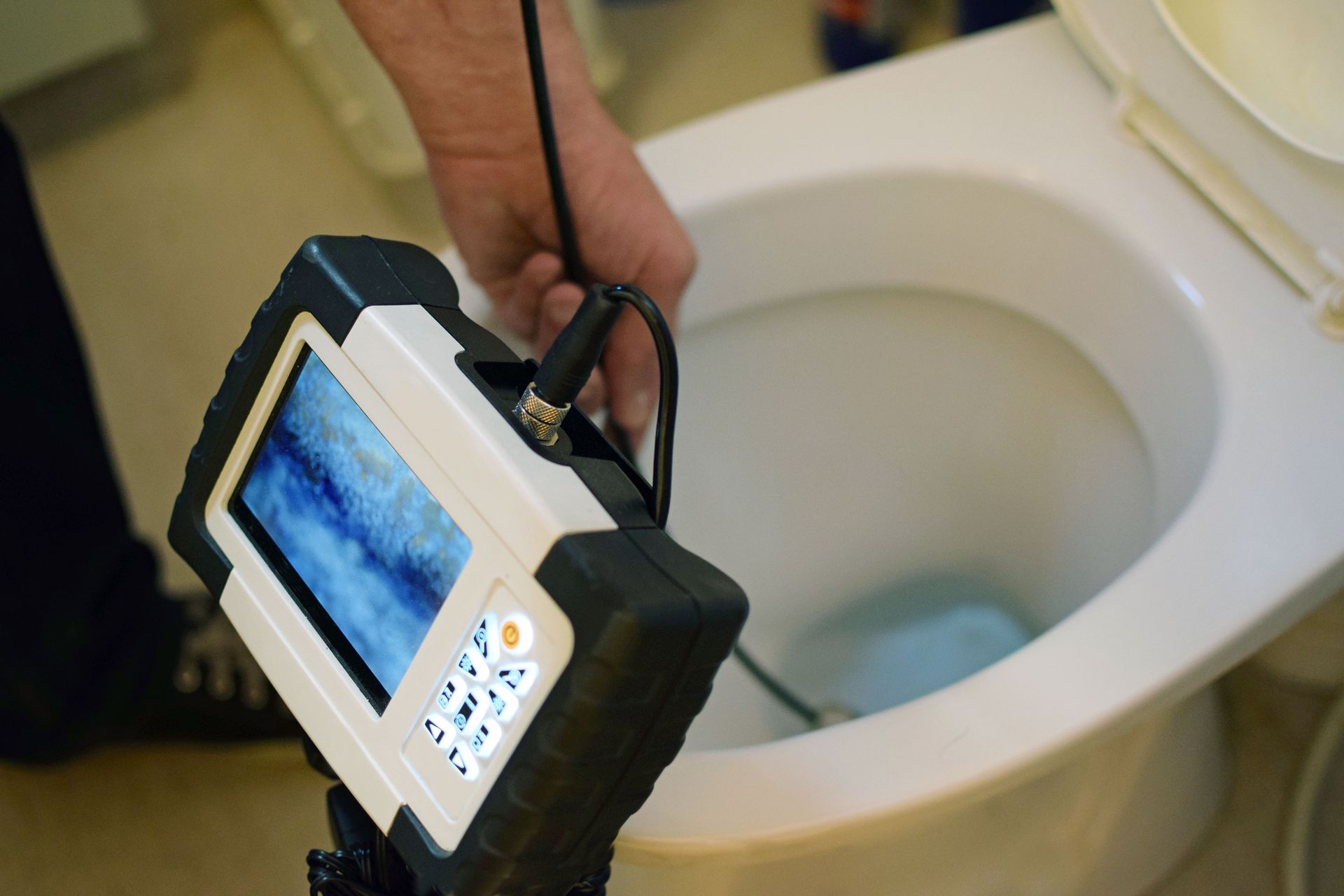
Beyond general industry presence, asking about specialized certifications or advanced equipment capabilities offers valuable insight into operational standards. Modern diagnostics often rely on video camera inspection systems, heavy-duty hydro-jetting machinery, or trenchless pipe rehabilitation methods. Ensuring that the contractor possesses adequate technical experience operating specialized diagnostic tools prevents unnecessary property disruption and ensures precise problem identification. Choosing an experienced licensed plumber ensures that complex mechanical diagnosis translates into swift, effective, and permanent structural repairs.
Clarify Payment Terms and Flat Rates
Establishing transparent financial expectations before project initiation prevents costly misunderstandings and fosters a professional working relationship. Homeowners should explicitly ask about accepted payment methods and required payment schedules prior to authorizing work. Reputable contracting firms rarely demand complete upfront payment for major installation projects; instead, standard industry practice involves a structured payment schedule tied directly to specific completed project milestones. For routine maintenance or small repairs, full payment typically occurs upon satisfactory project completion and client inspection.
Understanding deposit requirements is equally vital when evaluating prospective contractors. A reasonable deposit may be requested to cover initial material purchases for extensive home renovations, but excessive upfront demands should raise immediate caution for homeowners. Asking for written documentation detailing deposit rules, final payment schedules, and available financing options ensures complete clarity. Additionally, clarifying whether final invoices provide thorough itemized details helps property owners maintain accurate home maintenance logs for future resale records or insurance documentation.
Confirm Emergency Service Availability
Critical infrastructure failures rarely adhere to convenient business schedules, often striking during late evening hours, weekends, or major holiday gatherings. Unexpected burst water pipes or severe drain backups demand swift, decisive intervention to minimize catastrophic structural damage and prevent hazardous mold proliferation. Therefore, inquiring about emergency service options and expected response times is essential when evaluating potential trade contractors. Property owners should ask whether the company maintains dedicated off-hours response teams and how after-hours dispatching operates in urgent scenarios.
Navigating residential home repairs requires diligence, clear communication, and informed decision-making. Asking targeted questions regarding credentials, detailed estimations, warranty coverage, specialized experience, payment terms, and emergency availability empowers homeowners to select qualified trade professionals with total confidence. Taking necessary time to evaluate service providers prevents costly missteps and protects the structural integrity of your valuable property. At Sam Wexler Plumbing, we are committed to providing transparent, highly skilled, and dependable service tailored to meet every unique household need. Contact us today to learn more.

Share On: