
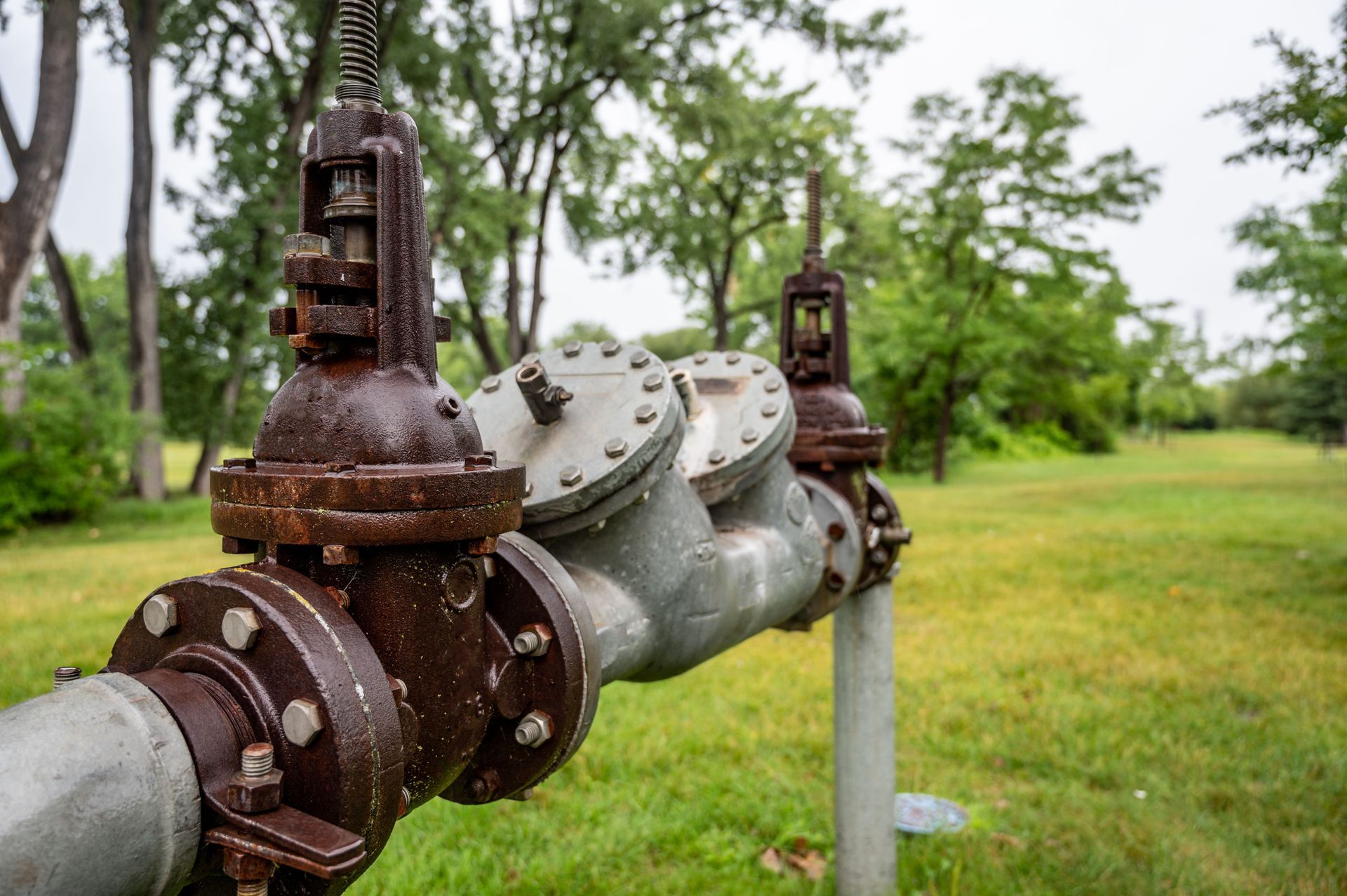
How Backflow Testing Benefits Businesses
Understanding backflow and its impact on commercial operations is crucial for businesses. Backflow testing offers significant benefits—enhancing safety, compliance, and operational efficiency across industries that depend on clean water.
Ensuring Health and Safety Standards
Understanding the Risks of Contaminated Water
Contaminated water poses serious health risks to employees and customers. Backflow occurs when water reverses direction, allowing contaminants to enter clean water lines. This issue is particularly critical in restaurants, hospitals, and schools where clean water is essential. Without regular testing, harmful bacteria and chemicals can cause illnesses such as dysentery or lead poisoning.
Preventing backflow is both a legal and moral obligation. Routine testing identifies potential issues before they escalate. According to Home Guide, commercial systems often use two to three preventer devices, highlighting their importance. Properly maintained systems protect public health while reinforcing a company’s reputation for safety and responsibility.
Preventing Health Hazards in the Business Environment
Backflow incidents can introduce bacteria like E. coli or salmonella into a facility’s water system, resulting in public health risks, lawsuits, and loss of trust. Routine backflow testing eliminates these risks and ensures clean water for daily operations. A strong safety record not only prevents illness but strengthens relationships with customers and staff who appreciate a business that prioritizes well-being.
Proactive testing has proven more cost-effective than responding to contamination after the fact. Businesses that invest in preventive testing avoid shutdowns and maintain strong community standing. Regular inspections make it clear that safety is a priority—not an afterthought.
Implementing Safe Water Practices
Safe water practices are essential to sustainable operations, especially in industries where water plays a critical role. Effective programs include scheduled testing, employee training, and quick-response protocols. Empowering staff to identify warning signs helps prevent larger problems. Incorporating these practices into standard operating procedures ensures reliability and consistency.
Beyond compliance, these measures improve efficiency by reducing the likelihood of costly interruptions. They also contribute to a culture of accountability and care—boosting employee morale and reinforcing public trust.
Regular Backflow Testing as a Safety Measure
Consistent testing sustains a company’s operational integrity by confirming that water remains contaminant-free. Routine evaluations provide critical data for system improvement and regulatory compliance. Small leaks or pressure failures can be corrected early, preventing widespread contamination.
More than a compliance requirement, regular testing reflects a business culture built on foresight and responsibility. Companies committed to such proactive safety protocols gain long-term stability and public confidence.
Maintaining Regulatory Compliance
Overview of Regulatory Requirements
Federal, state, and local laws mandate backflow prevention to protect public health. Failure to comply can lead to fines, license suspensions, or business closures. Regulations typically specify testing frequency and device standards—often requiring annual or semiannual certification.
Staying informed about these rules protects businesses from penalties and demonstrates integrity. Partnering with certified backflow testers ensures documentation accuracy and compliance with the most current standards.
The Role of Backflow Testing in Meeting Regulations
Routine testing confirms that prevention devices operate correctly, meeting regulatory benchmarks. It also provides documentation for audits, proving a company’s commitment to public safety. Records of each inspection demonstrate adherence to required standards and readiness for review.
When businesses maintain organized testing logs, they avoid fines and reassure stakeholders of their professionalism. Incorporating scheduled testing into maintenance routines streamlines compliance and reduces risks of violations.
Penalties for Non-Compliance
Ignoring regulatory standards can be costly. Fines, business closures, or lawsuits can quickly drain resources. Beyond financial damage, public exposure of non-compliance can permanently harm reputation and customer trust.
Once credibility is lost, recovery can take years. Therefore, compliance isn’t merely a legal obligation—it’s a vital investment in a company’s longevity. Consistent testing and record-keeping keep businesses on the right side of regulations while maintaining operational confidence.
Documentation and Reporting Obligations
Accurate records of testing, dates, and maintenance actions are mandatory. Proper documentation simplifies audits and demonstrates transparency. Many jurisdictions require results to be submitted annually or semiannually, making timely reporting essential.
Digital tools streamline record-keeping and minimize errors. Electronic logs and cloud-based systems make it easy to store and share reports with regulators. These technologies enhance accuracy and efficiency, helping businesses maintain compliance effortlessly.
Keeping Up with Changing Regulations
Regulations evolve as new data emerges on water safety. Businesses must regularly review and update procedures to stay compliant. Engaging with local authorities or industry associations helps anticipate updates before they take effect.
A proactive approach—reviewing internal policies and retraining staff—ensures that operations remain aligned with the latest requirements. This adaptability not only prevents violations but positions the company as a leader in environmental and public safety responsibility.
Protecting Business Reputation
Impact of Water Contamination on Public Perception
Public perception can shift overnight following reports of contaminated water. News travels quickly, and businesses associated with health risks can face customer boycotts, media scrutiny, and loss of investor confidence.
A single contamination event can lead to lasting damage far greater than the cost of preventive measures. Regular backflow testing preserves trust and protects a business’s image by demonstrating responsibility and reliability in all operational areas.
Building Trust with Customers through Safety Assurance
Customers expect businesses to maintain the highest safety standards, particularly regarding health. By performing and communicating regular backflow testing, companies show transparency and care for public welfare.
Informing clients about these efforts—through signage, website updates, or annual reports—can enhance customer confidence. This visible commitment sets a business apart from competitors and fosters long-term loyalty.
Long-Term Advantages of a Safe Reputation
A solid reputation for safety yields measurable business advantages. Consumers gravitate toward brands known for integrity, while regulators and investors favor organizations that consistently comply with health standards. Over time, this reputation translates into financial resilience and expanded opportunities.
In industries where trust determines success—such as hospitality, healthcare, and education—a clean safety record can be a decisive factor in client retention and growth. Backflow testing, therefore, functions as both a health measure and a marketing advantage.
Financial and Operational Benefits
Reducing Maintenance and Repair Costs
Unchecked backflow can damage plumbing infrastructure, leading to expensive repairs. Routine testing identifies small issues early, preventing corrosion and valve failures that can escalate. This proactive maintenance approach saves significant repair costs and extends equipment lifespan.
Businesses that budget for regular testing often see fewer unplanned disruptions and lower total maintenance expenses over time. These predictable costs simplify financial planning and protect profit margins.
Minimizing Downtime and Disruptions
Contamination incidents can shut down operations for cleanup, testing, and repair—resulting in lost productivity and revenue. Backflow testing helps businesses avoid these interruptions by keeping systems functional and compliant.
Even a brief closure due to safety violations can erode customer trust. Preventative testing ensures continuous service delivery, preserving reliability and brand consistency.
Enhancing Insurance and Liability Protection
Regular testing demonstrates due diligence, often qualifying businesses for lower insurance premiums. Insurers recognize that companies with strong prevention measures pose reduced risk. Moreover, documented testing history provides legal protection if contamination claims arise.
By maintaining clear records, a business can show it took all reasonable precautions, potentially minimizing liability and avoiding costly disputes.
Implementing an Effective Backflow Testing Program
Choosing Certified Professionals
Hiring certified testers is critical to accuracy and compliance. Professionals use specialized equipment to verify device functionality and system pressure integrity. Partnering with licensed experts ensures adherence to local regulations and reliable documentation.
Establishing a Testing Schedule
Most regulatory bodies recommend annual testing, though high-risk facilities may require more frequent inspections. Establishing a recurring schedule helps businesses stay compliant and detect issues promptly. Automated reminders or maintenance management software can simplify scheduling and record storage.
Training Staff for Early Detection
Employee awareness complements professional testing. Training programs should educate staff on recognizing pressure changes, discolored water, or unusual tastes—all possible signs of backflow. Prompt reporting of these signs enables quicker intervention and risk mitigation.
Maintaining Accurate Records
Detailed documentation ensures accountability. Logs should include test results, device serial numbers, corrective actions, and technician credentials. Organizing these files digitally provides instant access for audits and renewals.
Backflow testing is more than a regulatory requirement—it’s a vital component of responsible business management. It safeguards health, prevents contamination, maintains compliance, and strengthens public trust.
By investing in regular testing, companies not only protect their employees and customers but also secure long-term financial and reputational stability. Businesses that make backflow prevention part of their standard operations position themselves as leaders in safety, sustainability, and community care. Call Sam Wexler Plumbing, Inc today to learn more.


Share On: