
The Ultimate Drain Pipe Cleaning Checklist
Discover the essential steps and best practices for maintaining clean and efficient drain pipes. This comprehensive guide will equip you with the knowledge and tools needed to tackle any clog or blockage with confidence, especially when it comes to proper drain pipe cleaning.
1. Understanding Your Plumbing System
Plumbing systems, whether residential or commercial, are critical components of any infrastructure, responsible for the conveyance of clean water to and from various locations within a building. Typically, these systems are comprised of a network of pipes, fixtures, and other fittings designed to facilitate the efficient flow of water. Residential systems generally feature simpler configurations, focusing on basic household needs like kitchen, bathroom, and laundry facilities. Commercial systems, however, tend to be more complex, catering to larger spaces with multiple facilities and specialized requirements, such as fire suppression systems. Understanding the fundamental differences between these systems is invaluable for troubleshooting and maintenance, and helps ensure more successful drain pipe cleaning practices.
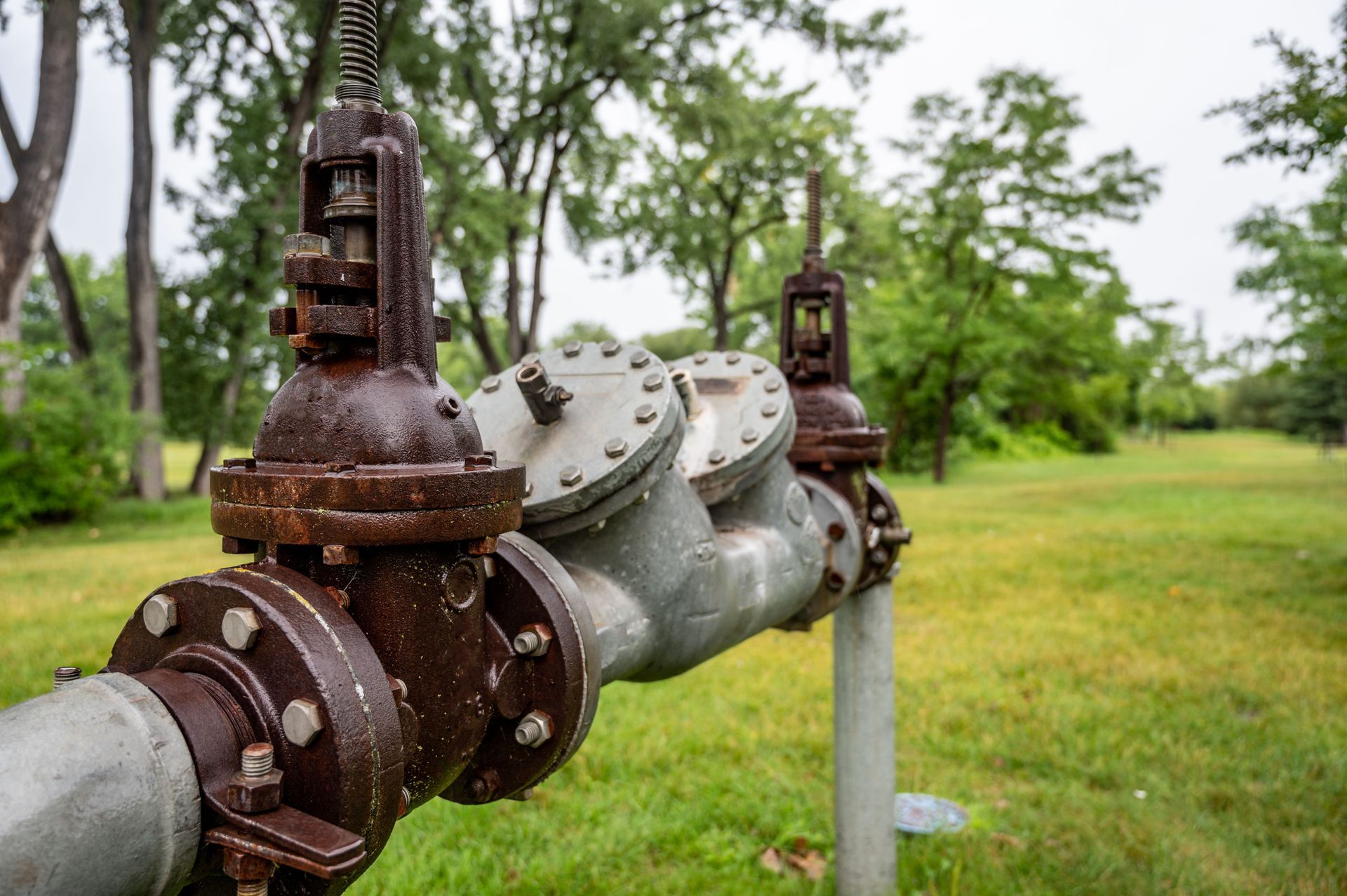
The materials used in plumbing systems span a range of types, each offering distinct advantages and drawbacks. Commonly, residential systems utilize PVC, copper, and PEX pipes due to their durability and ease of installation. In contrast, older buildings may contain galvanized steel or iron pipes, which tend to corrode over time. Homeowners and property managers must recognize the pipe types within their infrastructures, as this knowledge can guide maintenance, replacement decisions, and appropriate methods for drain pipe cleaning. Proper identification aids in choosing the correct solutions for repairs and cleaning, thus ensuring the longevity and safety of the entire system.
Consistent maintenance is key to preserving the operational efficiency and reliability of any plumbing system. According to Home Guide, having drains professionally cleaned every one to two years, regular inspections can help identify potential issues before they escalate into major concerns. Routine maintenance extends the lifespan of plumbing fixtures, reduces the likelihood of emergencies, and ensures that the system operates smoothly. Additionally, maintaining a regular schedule for inspections and cleaning encourages early detection of potential issues, thus avoiding costly repairs in the future. By keeping maintenance a priority, property owners preserve the functionality and value of their systems over time and support ongoing drain pipe cleaning needs.
2. Preventative Measures
Proper waste disposal is a fundamental aspect of maintaining clean and functional drain pipes. Materials like grease, oil, soap scum, and food scraps are frequent contributors to clogs when improperly discarded into the sink or toilet. Instead, household members should use waste bins for disposing of solid items and allow grease and oil to cool and be thrown away accordingly. Educating all household members about what can and cannot go down the drain helps to prevent the buildup of these clog-inducing substances. Implementing these regulations is a simple yet effective strategy for prolonging the life of your plumbing system.
Drain covers and strainers serve as a physical barrier, effectively catching debris that may otherwise enter the drain and cause blockages. These affordable, easy-to-install devices can be adapted to fit various sizes of sinks, showers, and bathtubs, making them highly versatile and beneficial to any plumbing system. By preventing hair, food scraps, and other solids from entering the drainage pipes, strainers significantly reduce the need for frequent cleaning or plumber visits. Routine cleaning of these devices ensures they remain effective without impeding water flow. Investing in quality drain covers and strainers is a proactive measure that protects your plumbing system from unnecessary wear and tear and reduces long-term drain pipe cleaning concerns.
Water pressure plays a vital role in the efficient operation of any plumbing system. High water pressure may cause excessive wear, potentially leading to damaged pipe connections, leaks, and increased water bills. Conversely, low water pressure might be a sign of underlying issues such as blockages or leaks and can frustrate household tasks that depend on steady water flow. Monitoring water pressure and maintaining it within optimal ranges prevents unnecessary strain on the system and extends the lifespan of the pipes and fixtures. Property owners should periodically check the water pressure and consult a professional if any irregularities arise.
3. Identifying Clogs and Blockages
Identifying clogs early on can prevent minor issues from escalating into severe plumbing problems. Common warning signs include slow drainage, gurgling sounds, unpleasant odors, and water pooling around drains. These symptoms signal potential blockages or buildup within the pipes, indicating it's time for inspection or cleaning. By addressing these signs promptly, homeowners can apply the necessary solutions to clear minor blockages before they worsen. Regularly educating yourself and other household members on these indications facilitates quick action, keeping your plumbing system running smoothly.
Advanced inspection tools, such as plumbers' cameras, provide invaluable insight into the condition of your pipes. A camera inspection allows you to visually check for blockages, corrosion, or other damage, catching issues early and planning appropriate preventative measures. These cameras typically consist of high-resolution lenses attached to waterproof cables that can navigate through the pipe network. By using these tools, people can pinpoint problem areas and determine the best course of action, whether it's necessary to tackle the issue independently or call a specialist. Camera inspections are an essential part of a proactive approach to managing plumbing systems.
4. Cleaning Techniques for Minor Clogs
A plunger remains one of the most accessible and effective tools for addressing minor clogs within the drainage system. To use it effectively, first ensure that there is sufficient water in the basin to cover the plunger head, which creates a vacuum seal essential for dislodging the blockage. Apply steady and even pressure, plunging in both upward and downward motions to loosen the obstruction. If the basin empties after a few attempts, the clog has likely been successfully cleared. Remember to clean the plunger thoroughly after use to maintain hygiene and prevent cross-contamination between uses.
Baking soda and vinegar are organic alternatives that can effectively clear minor clogs without damaging the pipes. The chemical reaction between baking soda and vinegar creates pressure that dislodges minor blockages and breaks down debris, allowing water to flow unobstructed. To use this method, pour a pot of boiling water down the drain, followed by half a cup of baking soda, then a cup of vinegar. Let the mixture sit for at least 15-30 minutes, then rinse with hot water to flush away loosened debris. This eco-friendly approach is particularly advantageous for regular maintenance, keeping pipes clean and free-flowing, and enhancing ongoing drain pipe cleaning efforts.
5. Solutions for Major Blockages
Assessing the severity of a blockage is critical for determining the most suitable method for its resolution. Signs of a major blockage can include multiple drains backing up simultaneously, persistent slow drainage despite troubleshooting efforts, or water loss. Inspection tools such as plumbers' cameras can provide visibility into the pipes, allowing for accurate assessments of the location and nature of the clog. Once the blockage is identified as major, property owners can consider advanced solutions like hydro jetting or enlist professional aid. Accurately gauging the blockage level ensures the proper application of resources and methods.
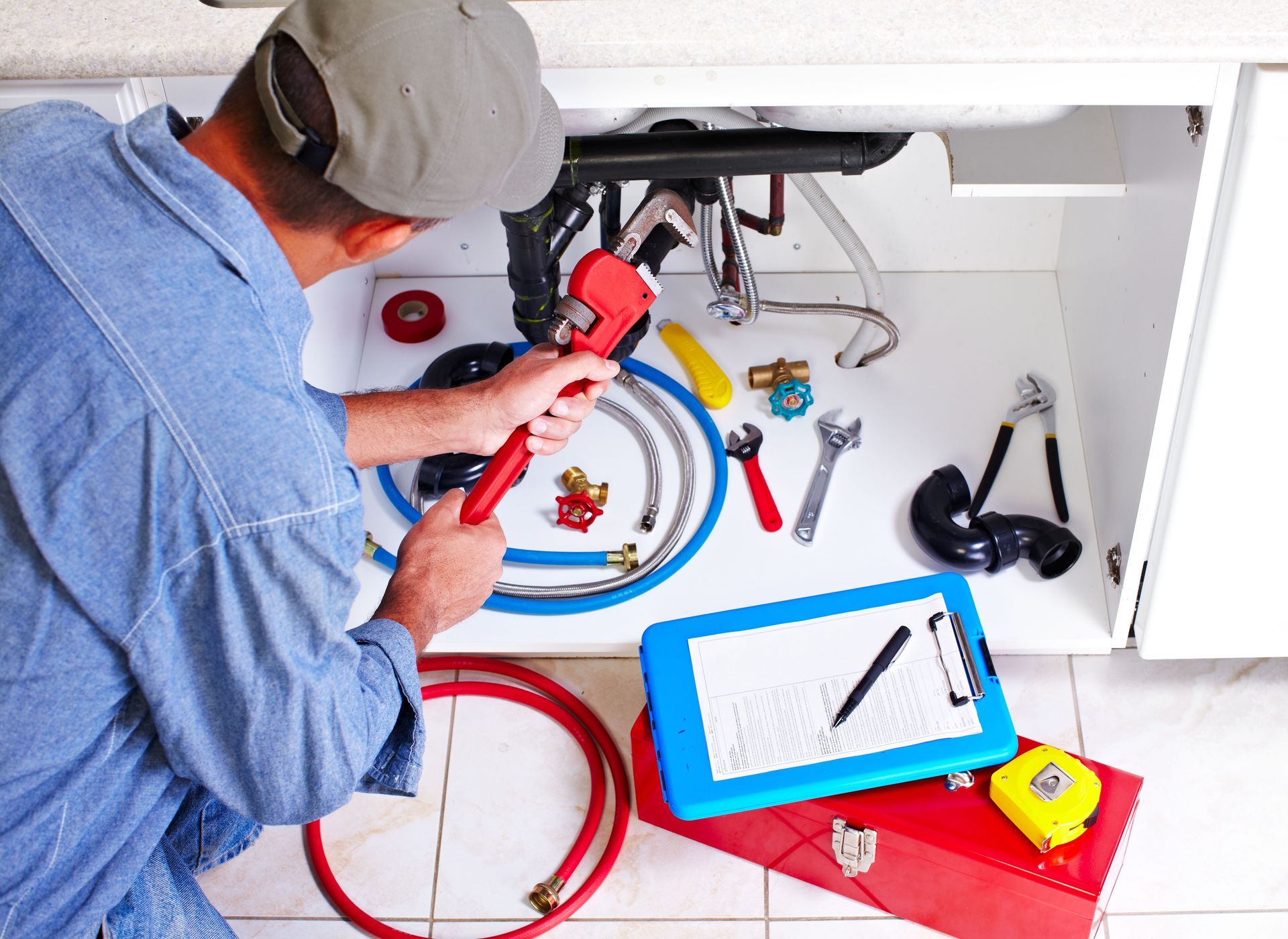
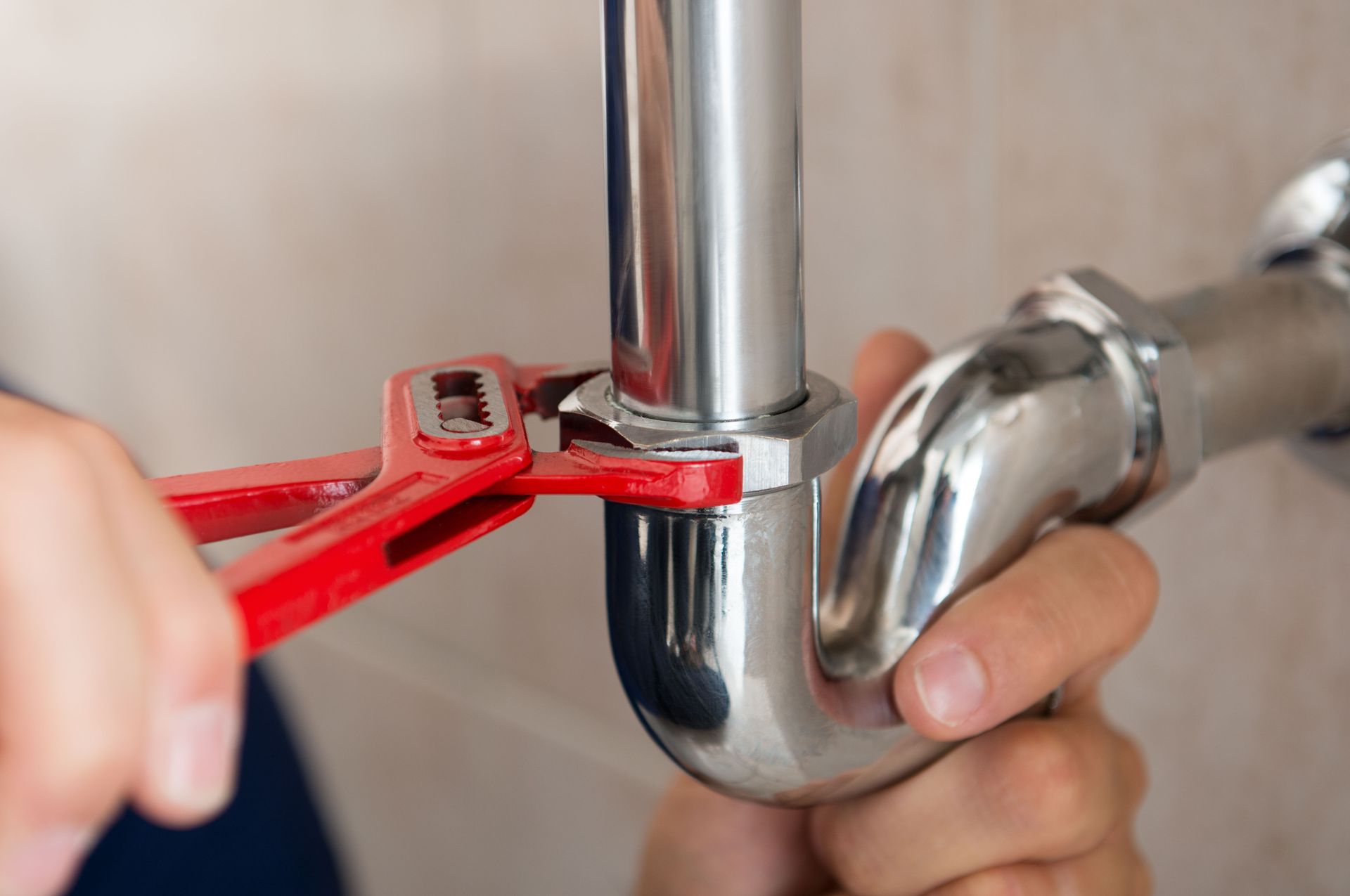
When faced with stubborn blockages or complex plumbing issues, hiring a professional plumber becomes a practical decision. A licensed plumber brings expertise, specialized tools, and experience to accurately assess and resolve significant blockages that standard methods cannot. In addition to addressing immediate concerns, professionals provide valuable insights into the overall health of the plumbing system, suggesting necessary maintenance or potential upgrades. Although the cost of hiring a professional might be an initial concern, it becomes a worthwhile investment for preserving the efficiency and longevity of the entire plumbing system. Relying on professional expertise delivers peace of mind and assures exceptional results.
Keeping your drain pipes clear and functional requires a balanced approach that blends preventive care, early detection, and effective cleaning techniques. By understanding how your plumbing system works and recognizing the signs of blockages, you can address issues before they escalate into costly repairs. Whether opting for DIY methods or professional assistance, consistent maintenance ultimately safeguards your home's plumbing infrastructure, ensuring reliable performance and long-term efficiency. For more information about the drain pipe cleaning services that we offer, reach out to our incredible team at Sam Wexler Plumbing, Inc today!
Share On: